Back
How Smart Coffee Bars Reflect the Biggest Food Tech Trends of 2026
Automation, personalization, and data are reshaping coffee—and the future of food service
Smart coffee machines aren’t just vending tools – they’re a window into the future of food tech. As automation, data, and user experience redefine how we eat and drink, few categories illustrate these shifts better than self-service coffee bars.
In 2026, we’re seeing a confluence of trends: shrinking labor pools, rising consumer expectations, increasing demand for healthy personalization, and a growing appetite for passive income business models. Smart coffee bars sit at the center of all these movements.
Let’s explore the deeper food-tech forces driving this transformation and why coffee may be just the beginning.
1. Frictionless, Contactless Convenience
Today’s coffee consumers don’t want lines or awkward exchanges. They want caffeine quickly, hygienically, and reliably especially in high-pressure locations like hospitals, airports, and campuses.
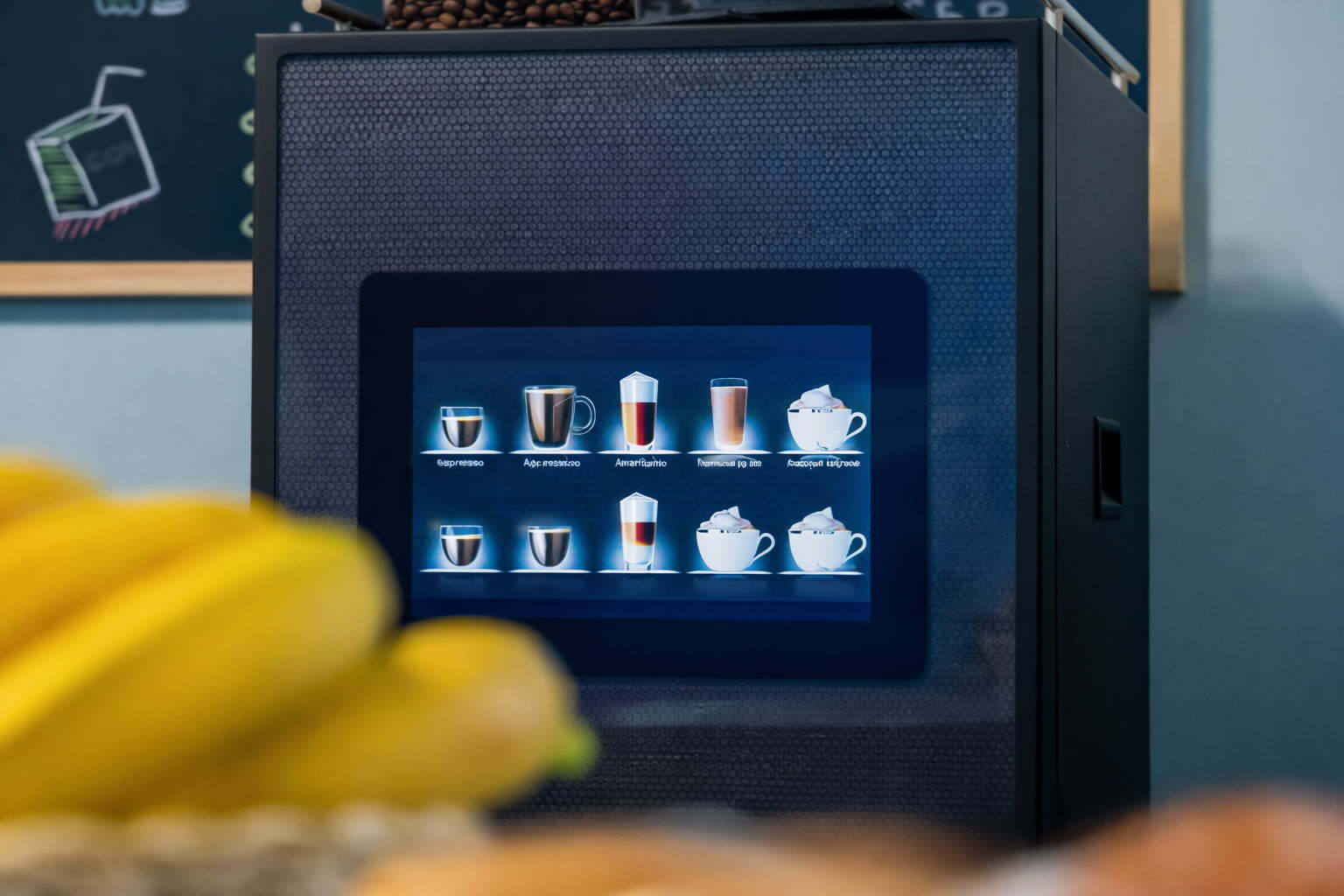
Touch Coffee Bars are built for that moment. Their touchscreens and QR-enabled ordering systems enable:
• Fast, cashless payments via card, tap, or phone
• One minute service times with no staff needed
• 24/7 uptime to serve shift workers and travelers
This is part of a broader movement in food tech: removing friction between decision and delivery. Smart bars are vending’s answer to Uber Eats but without the driver.
2. Personalization at Scale
Forget one size fits all menus. In 2026, personalization isn’t a luxury – it’s expected.
Smart coffee bars deliver:
• Custom drink options (milk type, sweetness, strength)
• Hot or iced beverages
• Favorite presets remembered by the machine
This mirrors what’s happening across food delivery and QSR (quick-service restaurants): modularity and real-time customization. Consumers crave control, and machines that deliver tailored results win loyalty especially when they taste better than a $7 café drink.
3. Miniaturization and Footprint Efficiency
Commercial real estate is shifting. Businesses want flexible, low-overhead solutions not massive builds. At just 3 sq. ft., a smart bar fits in places cafés can’t:
• Shared office lobbies
• University study zones
• Gym entrances
• Hospital corridors
This “micro amenity” model matches the rise of smart lockers, compact kitchens, and ghost vending. Small is profitable, especially when tech does the heavy lifting.
4. Operational Automation = Entrepreneurial Leverage
The food industry’s biggest challenge in 2026? Labor. From barista turnover to scheduling nightmares, operators are burned out.
Touch Coffee Bars solve this with:
• Self-cleaning cycles and sanitation tracking
• Automated inventory alerts for refills
• Remote dashboards for managing pricing, offers, and machine status
One person can manage multiple machines across different cities from their phone. That’s the kind of leverage entrepreneurs dream about. It’s what turns side hustles into portfolios.
5. Data-Driven Decision Making
Smart bars don’t just serve coffee they collect insights. Every cup ordered becomes a data point.
Operators see:
• Top drinks by time of day
• Inventory usage and refill timing
Revenue and margin by location
This enables A/B testing menus, adjusting pricing, or even optimizing cup sizes. It’s food + analytics = smarter profit.
6. Sustainable, Low Waste Beverage Service
Consumers are growing skeptical of waste heavy formats. K-cups and single-use pods? Not the future.
Touch Coffee’s bean to cup model reduces environmental impact:
• Whole beans ground on demand = no pods or packaging
• Reusable internal systems
• Smart portion control = less waste, lower cost
Combine that with energy efficient machines and centralized restocking, and smart bars become a more eco conscious option than traditional cafes.
7. Passive Ownership in a Connected Economy
This is perhaps the most unique food tech trend: the intersection of automation and ownership.
Smart bars let everyday people not chains or corporations own a revenue generating coffee business. In the age of Airbnb hosts and Shopify sellers, the smart bar model taps into this same ownership spirit with less volatility and more routine usage.
Passive income isn’t a buzzword. It’s the new small business model.
Final Thoughts: Why Coffee Is Just the Beginning
Coffee is the entry point but the model applies far wider. Smoothies, protein shakes, matcha, tea, even soup. The smart vending economy is in its early innings, and food tech innovators are watching closely.
What Touch Coffee has done is simple yet powerful: reimagine a daily ritual through automation, access, and owner empowerment.
And if 2026 is any indication, that’s exactly what the future of food is all about.